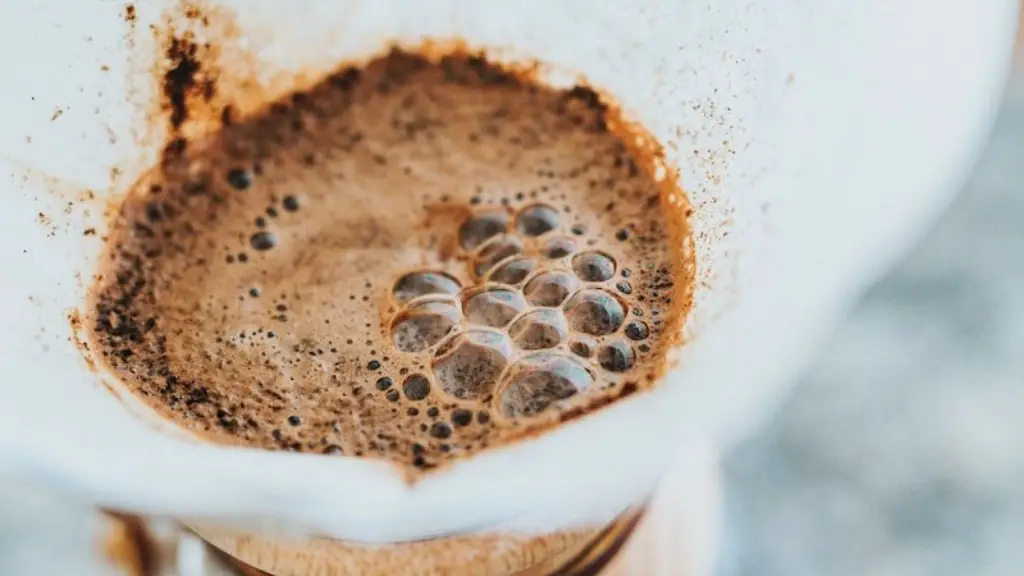
If you go beyond that, the calories will start to tick up. A coffee with a splash of milk — about a tablespoon or two — stays in single-digit calories. Still good, so long as you stick to one cup during your fasting window. Fasting can’t give you results if you indulge in the occasional beverage treat during your fast, however minimal it may seem.
What Can You Eat or Drink While Intermittent Fasting That May Not Break a Fast?
A healthy diet and regular exercise are integral to successful long-term weight loss. Use the following tool to calculate how many calories you should consume daily to reach your weight-loss goals. People who are pregnant or breastfeeding and children and teens under the age of 18 should also not water fast. There are a limited number of alternative medicine clinics that offer supervised water fasts. Many who undergo water fasting in a clinic environment begin the process with a referral from their healthcare provider. Some studies have had participants drink mineral water to at least ingest some essential minerals during the fasting period.
Coffee with MCT or coconut oil (medium calorie)
And if the beverage contains a little bit of fat, that’s not a huge deal either. A teaspoon of honey in your tea or electrolyte drink won’t ruin your fast. Of course you could just as easily use stevia, but my point is that IF you want to use a splash of honey here and there, I do not see a problem. We’d do well to dispense with the nearly religious fervor that emerges around the nuance of fasting. Guzzling down glasses of plain H2O for hours at a time can get old fast.
Tips to Prepare for Water Fasting
Russell https://healthstartsinthekitchen.com/i-tried-unimeal-for-30-days-heres-what-personalized-meal-planning-really-feels-like/ M. Nelson, General President of the Sunday School Fasting is a very personal matter, usually done with a specific concern in mind. Therefore, the purpose of the fast and the special considerations of the individual involved govern the motivation and the nature of the fast. This content is for informational purposes only and is not a substitute for professional medical advice, diagnosis, or treatment.
What Is Water Fasting?
This is because the practice supposedly reduces overall levels of inflammation in the body and boosts the function of your immune system. The blood pressure-lowering effects have been shown to last through the refeeding period. There has also been some preliminary research showing that these benefits may persist long-term (10 years or possibly longer). However, more studies are needed to confirm these findings. For example, one research unimeal application trial suggests drinking a minimum of 40 ounces of distilled water per day during the fast. Most people need about four to six cups of plain water each day.
“They will add to your calories but can keep you feeling full,” Varady says, not completely writing off the beverage option. Thurow is also not against adding MCT oil to coffee during a fasting period, as “fats are processed differently [than] other macros.” Water fasting is another zero-calorie fast, which can be anything from 24–72 hours (some people go a lot longer). For instance, some intermittent fasting approaches involve not drinking at all or drinking only water. We don’t recommend you try these, and we’ll explain why in a moment.
Tips to Stay Hydrated During Intermittent Fasting
Varady says drinking alcohol on an empty stomach during your fasting window is never a good idea. A 2014 study involving 174 participants with hypertension found that water fasting helps lower blood pressure. According to the study, medically supervised water-only fasting reduced the participants’ blood pressure considerably. At the end of the study, the participants did not feel the need to take any other medication for their hypertension. Have you ever started fasting and suddenly thought, “wait… can you drink water while intermittent fasting? ” I’ve heard this question from so many people, and maybe you feel the same way right now.
What is fasting for a blood test?
The effectiveness of fasting, whether it be for detoxifying purposes or as a discipline of self-control, can depend entirely on proper hydration. Let’s explore the upsides and potential downsides of drinking water during your fasting period. Hydrating with water has many benefits, including keeping your joints well-lubricated, supporting cell health, and helping the waste removal processes. Plus, it’s calorie-free, making it a great choice during fasting periods. If you have diabetes, talk with the healthcare professional who helps manage your condition. You may get specific instructions to help manage your blood sugar, also called blood glucose, while on a clear liquid diet.
- But certain health conditions, age, medications, exercise level, and temperature influence how much is needed.
- This will depend on the type and strictness of fast, but a good rule of thumb is to stick to low-calorie beverages, like plain teas, black coffee, and seltzer water.
- There may be health benefits to this practice, but there are also drawbacks and potential dangers.
- The best liquid to drink while fasting varies depending on personal preference and the type of fast being followed.
- Investing in a high-quality water filter can significantly improve the taste and purity of your drinking water, encouraging increased consumption.
- And drinking water may even help you feel less hungry during the fasting hours.
What is the best liquid to drink while fasting?
Water fasting is when you consume nothing but water for a day or more. Fasts typically last anywhere from 24 to 72 hours, but some people may fast for longer. While it may be done for religious or spiritual reasons, a water fast’s goal is often to lose weight or improve one’s overall health. Some fasts, like dry fasting, don’t allow any water intake. It’s crucial to follow the specific rules of your fasting method.
But when it comes to drinks, especially water, the rules are more flexible. If you are prescribed a clear liquid diet before a medical test, be sure to follow the diet instructions exactly. If you don’t follow the diet exactly, you may not have correct test results. Data are mixed, but some studies suggest that certain artificial sweeteners may promote insulin release — which will interfere with your fast!
Can you drink water while practicing intermittent fasting?

Dry fasting protocols eliminate both food and all liquids, making it a significantly more challenging approach that is typically practiced only in the short term. Whether a liquid can break a fast depends on its contents and the type of fasting approach you’re following. Electrolyte supplements range from $10–$30 monthly, though optional. Budget-conscious users can achieve full benefits with basic supplies.
Why Is Hydration Important During Intermittent Fasting?
In a nutshell, fasting implies abstaining from food for a certain amount of time. Intermittent fasting is a more sustainable approach to a fast, which implies switching between fasting and eating for rather prolonged periods of time. The main benefits of such an approach include weight loss, metabolic reset, insulin regulation, and cell restoration (autophagy). Water fasting involves drinking only water while abstaining from solid food for a period of time generally lasting one to three days (or longer, if you are under direct medical supervision). A primary reason to start is to reduce caloric intake to lose weight. A widespread weight-loss practice includes intermittent fasting, in which you alternate between eating and fasting during specific hours of the day.
The best solution depends on personal tolerance and duration. For most, rotating between plain and infused water provides variety without risk. Just 1-2 sticks during your fast (1-2 grams of sodium) can make a massive difference.